


The Bay Area Bisexual Network (BABN) was founded in 1987 and is celebrating its 25th anniversary. So it seems a fitting time to highlight the David Lourea Papers which contains documentation of the bisexual community in San Francisco.

David Nachman Lourea (1945-1992) was born in Philadelphia, Pennsylvania and was raised an orthodox Jew. He received a B.F.A. from Temple University in 1967 and moved with his family to San Francisco in 1973. He was active with San Francisco Sex Information, was one of the early members of the San Francisco Bisexual Center and was one of the founders of Bisexual Counseling Services. He earned a Ph.D from the Institute for Advanced Study of Human Sexuality and served on the board of Congregation Ahavat Shalom. He died in San Francisco in 1992 from kidney failure associated with AIDS.
The Lourea Papers contains correspondence, articles, magazines, newspaper clippings, newsletters, and other ephemera on bisexuality and on the San Francisco Bisexual Center.


The San Francisco Bisexual Center was founded in August 1976 by Maggi Rubinstein and Harriet Leve. The purpose was to "serve as a positive support base to facilitate communication, to teach each other by sharing...learning, and to explore the essence and potential of loving" for bisexuals. At its first meeting 22 attendees established a steering committee. By early 1977 the Bi Center sponsored about 15 events per month from rap groups to barbecues to dances. Its membership was about 140. The center held a press conference in June 1977 to speak out against Anita Bryant and Proposition 6 (aka the Briggs Initiative). As a result of the media exposure, membership rose to 435. Lourea was one of the early members and was an early co-director. The Bi Center closed in 1985.
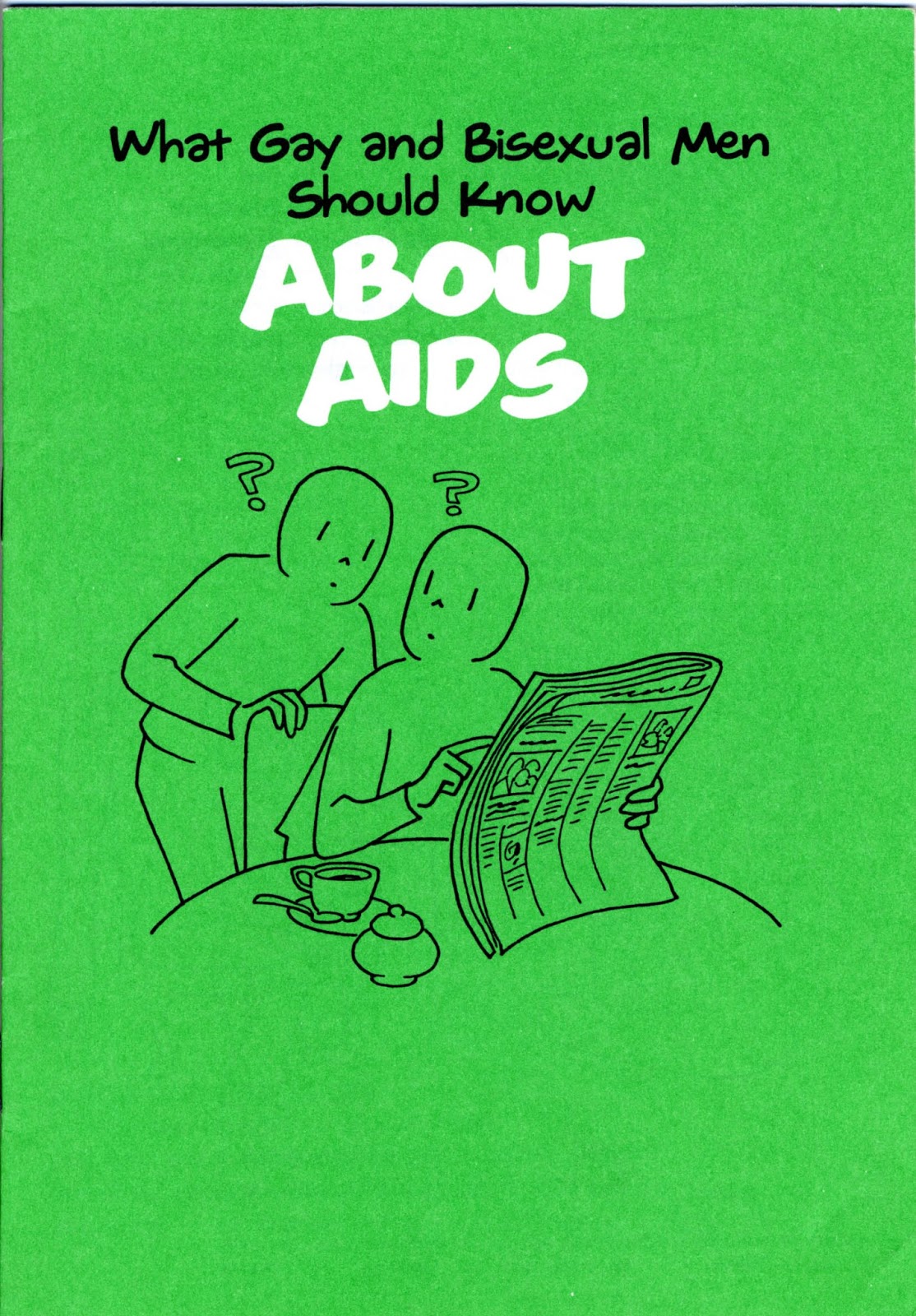

The Lourea Papers also contains material on other organizations that provided information to San Francisco residents: San Francisco Sex Information hotline, BiPol, a political action group formed in the late 1970s, and the Bay Area Bisexual Network. Lourea was keenly interested in the subject of education in the areas of sexuality and sexual activity within the gay and bisexual communities. Several files contain pamphlets, flyers, and drafts for the same, for the promotion of safe sex during the early years of the AIDS crisis. The collection also includes statistics on AIDS cases in San Francisco.
The David Lourea Papers (GLC 55) are available through the San Francisco History Center, 6th floor, Main Library. The photographs are available during the hours for the San Francisco Historical Photograph Collection.


